reality shifting
5 Senses Method Shifting: Sleep-Safe Audio Guide
Try 5 senses method shifting with a quiet audio walkthrough that protects sleep, uses sensory detail, and keeps expectations honest.
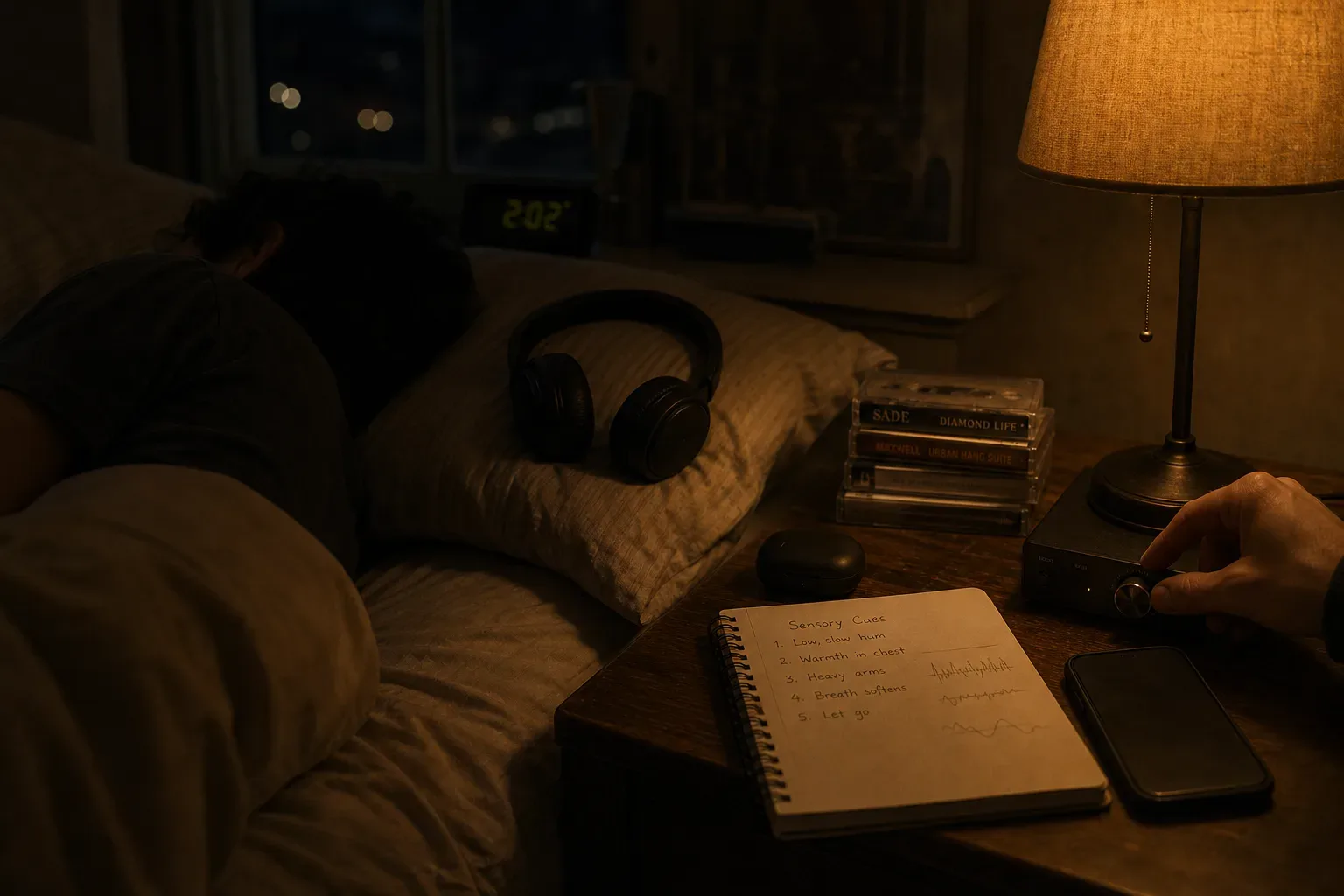
5 senses method shifting is a bedtime visualization practice where you rehearse a chosen scene through sight, sound, touch, smell, and taste while relaxing toward sleep. The safest version uses quiet audio, low pressure, and one simple rule: if the method costs you sleep, it costs more than it gives.
What is 5 senses method shifting, exactly?
5 senses method shifting is sensory imagery used as a bridge between ordinary awareness and a chosen inner scene.
In shifting communities, the method usually means building a desired reality scene one sense at a time. You might see the ceiling of a bedroom, hear a familiar voice, feel cotton sheets under your fingers, smell rain through an open window, and taste toothpaste or tea. The sequence gives the mind a job that is more specific than wishing and softer than forcing.
Sleep researchers have known for decades that mental imagery can change the body’s level of arousal. A 2002 study in Behaviour Research and Therapy found that imagery distraction helped people with insomnia fall asleep faster than general distraction or no instruction. That does not verify shifting claims. It does suggest that carefully chosen images can guide attention away from rumination.
The shifting part is less studied. Most public claims come from Reddit, TikTok, YouTube, and private Discord groups, not controlled trials. That matters. The honest line is this: sensory rehearsal is real; extraordinary claims about guaranteed shifting are not established by research.
A method can be meaningful without being proven in the way its loudest fans describe it. The last ten minutes before sleep are suggestible. Choose what goes in.
If you already use sleep affirmations, the difference is simple. Affirmations repeat a sentence. The 5 senses method repeats a place. Both are forms of attention training before sleep, and both work best when they stay boring enough to let the night continue.
How do you prepare the audio without disturbing sleep?
Prepare the audio as if sleep is the main practice and shifting is the guest.
Start with length. A sleep-safe walkthrough should usually run 10 to 20 minutes. The American Academy of Sleep Medicine says adults should sleep 7 or more hours per night for health, and that number is a useful guardrail. If a method pushes bedtime later by 45 minutes, it is already taking too much.
Use one voice, one scene, and one track. Avoid playlists that jump from whispering to music to rain to layered subliminals. Sudden volume changes can cause micro-awakenings; consumer sleep studies often define wake after sleep onset in minutes, but even smaller disruptions can make a night feel thin by morning.
Set the volume lower than you think. A good test is whether you can understand the opening lines while lying still, then stop caring about the exact words after a few minutes. If you need to strain, it is too quiet. If the voice feels close to your face, it is too loud.
Here is a simple setup:
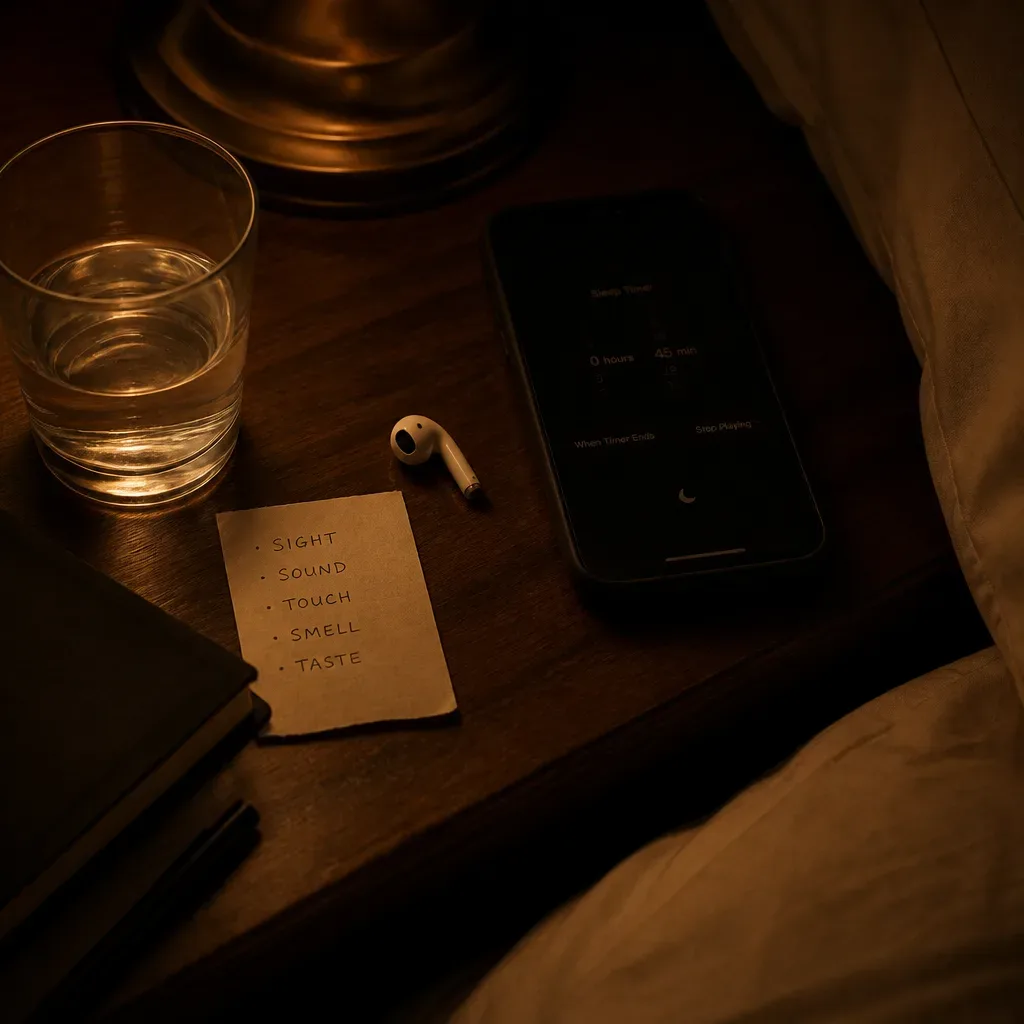
- Put your phone on Do Not Disturb before you begin.
- Set a sleep timer for 20 to 30 minutes, even if the track is shorter.
- Use one earbud only if two make you feel sealed in.
- Keep the screen face down or out of reach.
- Decide before pressing play that sleep counts as success.
The room matters less than the rule. Low light, steady temperature, and a repeatable bedtime cue do more for most people than a perfect script. Dr. Andrew Huberman often points to regular light timing as a strong sleep signal; that is basic biology, not mysticism.
What should the 18-minute walkthrough sound like?
The walkthrough should sound slow, ordinary, and easy to abandon as sleep arrives.
Below is a structure you can record in your own voice or use as a guide when choosing audio. I like 18 minutes because it leaves room for relaxation without turning the night into a performance. In small imagery studies, instructions are often brief, focused, and repeated; the value is not in dramatic language but in stable attention.
| Minute | Audio focus | What you do |
|---|---|---|
| 0 to 3 | Breathing and body weight | Let the jaw, shoulders, hands, and legs soften |
| 3 to 6 | Entry scene | Picture one safe place, not a whole plot |
| 6 to 8 | Sight | Notice light, color, distance, and one object |
| 8 to 10 | Sound | Hear a room tone, weather, or one calm voice |
| 10 to 12 | Touch | Feel fabric, floor, air, or the weight of the body |
| 12 to 14 | Smell | Add one faint scent, like soap, rain, or wood |
| 14 to 16 | Taste | Add one mild taste, such as mint, water, or tea |
| 16 to 18 | Release | Stop checking and let the scene continue on its own |
Keep the language in present tense. Say, “I see pale light on the wall,” not “I will shift soon.” The nervous system hears concrete detail more easily than pressure. Neville Goddard wrote often about assuming the feeling of the wish fulfilled, but bedtime practice is kinder when the feeling is quiet and physical.
You can also pair the practice with the AYA Method if you want audible, personal words rather than hidden ones. The AYA Method is a daily audio manifestation practice. Each day you listen to a short personalized recording, your Dream-Self Moment, narrated from the version of you who has already manifested the life you intend. Listening is the practice. Repetition is the work. The audio is the method.
Which sensory details work best before sleep?
The best details are plain, repeatable, and emotionally safe enough that your body does not brace.
Choose details you could fall asleep beside. Sight should be soft: dim lamplight, a window shape, the edge of a pillow. Sound should be steady: rain, distant traffic, a fan, quiet breathing. Touch should be simple: blanket weight, cool sheets, bare feet, hair against the neck.
Smell and taste are often harder for people. That is normal. In a 2013 review in Frontiers in Psychology, researchers noted that olfactory imagery varies widely between individuals. If scent does not come easily, use one familiar cue. Soap. Coffee. Dust after rain. Do not spend five minutes trying to manufacture a perfect smell.
Taste should be the smallest sense in the method. Mint. Water. Warm milk. A berry. Too much taste imagery can make some people hungry or alert, which is not helpful at midnight. Before sleep, detail should lower the volume of the day, not start a new one.
Good sensory cues often share these traits:
- They are specific without being exciting.
- They belong to one scene, not a montage.
- They do not require problem-solving.
- They can be repeated for 7 to 14 nights without feeling stale.
- They make the body feel safe, not watched.
A scene is not stronger because it is more elaborate. A scene is stronger when you can return to it without effort.
If you use subliminals, be careful about stacking them under a 5 senses method track. A subliminal is an affirmation you cannot consciously hear. That is the whole trick, and the whole problem. For sleep-safe shifting, audible sensory guidance is easier to evaluate.
What should you expect by week two?
By week two, expect familiarity, not proof.
After 7 nights, the scene may start to appear faster. After 10 to 14 nights, you may notice that one sense leads the others. Some people hear first. Some feel texture first. Some see almost nothing but can sense where they are in the room. None of these differences mean you are doing it wrong.
Repetition is the quiet engine here. In habit research, consistency often matters more than intensity; a 2009 study in the European Journal of Social Psychology found habit formation varied widely, with an average of 66 days for automaticity in daily behaviors. That number is not a shifting promise. It is a reminder that two nights is too little evidence.
Keep a small log, but make it boring. Two lines are enough:
- “Played 18-minute track at 11:05 p.m.; fell asleep around the touch section.”
- “Morning note: remembered rain sound; woke once at 4:10.”
That kind of record helps you notice patterns without turning the bed into a lab. If you want timing support, use the sleep cycle calculator before the night begins, not after you are already drowsy and tempted to check everything.
There is a firm line here. If you are sleeping less, waking anxious, or spending the day testing whether you shifted, pause the method for a week. For ongoing insomnia, nightmares, or distress, talk with a qualified health professional. A bedtime script should not become a private pressure system.
How is this different from affirmations, hypnosis, or subliminals?
The 5 senses method uses place-based imagery, while affirmations use sentences, hypnosis uses guided suggestibility, and subliminals hide words beneath sound.
These practices overlap because they all work with attention before sleep. The differences matter when you are choosing what to play at night. A clear hypnosis track may guide breath, body, and suggestion. A sleep affirmations track may repeat “I am safe to rest” or “I wake calm.” A shifting audio may ask you to inhabit a scene through sensory detail.
Joe Dispenza often speaks about rehearsing a future self, while Neville Goddard wrote about imaginal acts before sleep. Those are practitioner traditions, not sleep medicine. The useful piece is repetition with feeling. The risky piece is overclaiming results.
Here is the clean comparison:
| Practice | Main tool | Sleep-safe use | Main caution |
|---|---|---|---|
| 5 senses method shifting | Sensory scene | 10 to 20 minutes, low pressure | Can become checking or forcing |
| Sleep affirmations | Repeated phrases | Short, soft, familiar wording | Too many claims can feel false |
| Sleep hypnosis | Relaxation plus suggestion | Slow pacing, clear consent | Avoid fear-based scripts |
| Subliminals | Hidden affirmations | Use trusted sources only | You cannot easily audit the words |
| AYA Method | Personal audible recording | Daily listening, including last thing at night | Keep the audio central, not the extras |
What you hear while you sleep shapes the mood you return to. That does not mean every word becomes a fact. It means the last voice of the day deserves care.
For a broader map of hidden audio, the subliminals pillar is worth reading before you mix too many tracks. For a gentler sentence-based approach, start with the sleep affirmations pillar and notice whether phrases or places make your body softer.
How do you do it tonight without making it too intense?
Tonight, keep the method short, audible, and easy to sleep through.
Choose one scene before you get into bed. Do not build a whole life. Pick a single moment: waking under a blue blanket, standing in a quiet kitchen, hearing someone call your name from another room. The scene should be calm enough that your breathing stays slow.
Record this if you do not have a track: “I am lying still. I let the room be dark. I see soft light in the place I know. I hear a quiet sound there. I feel the surface beneath my hands. I notice one faint scent. I notice one simple taste. I do not need to check. I can sleep now.” Read it at about 120 words per minute or slower; many audiobook narrators average 150 to 160, which is often too alert for bedtime.
Then follow three rules:
- Play it once.
- Do not restart it if you wake.
- Do not grade the night in bed.
If you want a daily audio practice with clearer personal language, return to the AYA Method on a separate night and compare how your body responds. If you want to calculate a gentler bedtime first, use the sleep cycle calculator tool before the lights go low.
The best shifting script is the one your sleep can survive. A quiet method should leave you quieter than it found you.
Leave the voice low, and let the night take over.