reality shifting
Julia Method Shifting: A Sleep-Safe Audio Guide
Julia method shifting can be practiced without sacrificing sleep by using low-volume spoken audio, clear timing, and gentle reality shifting boundaries.
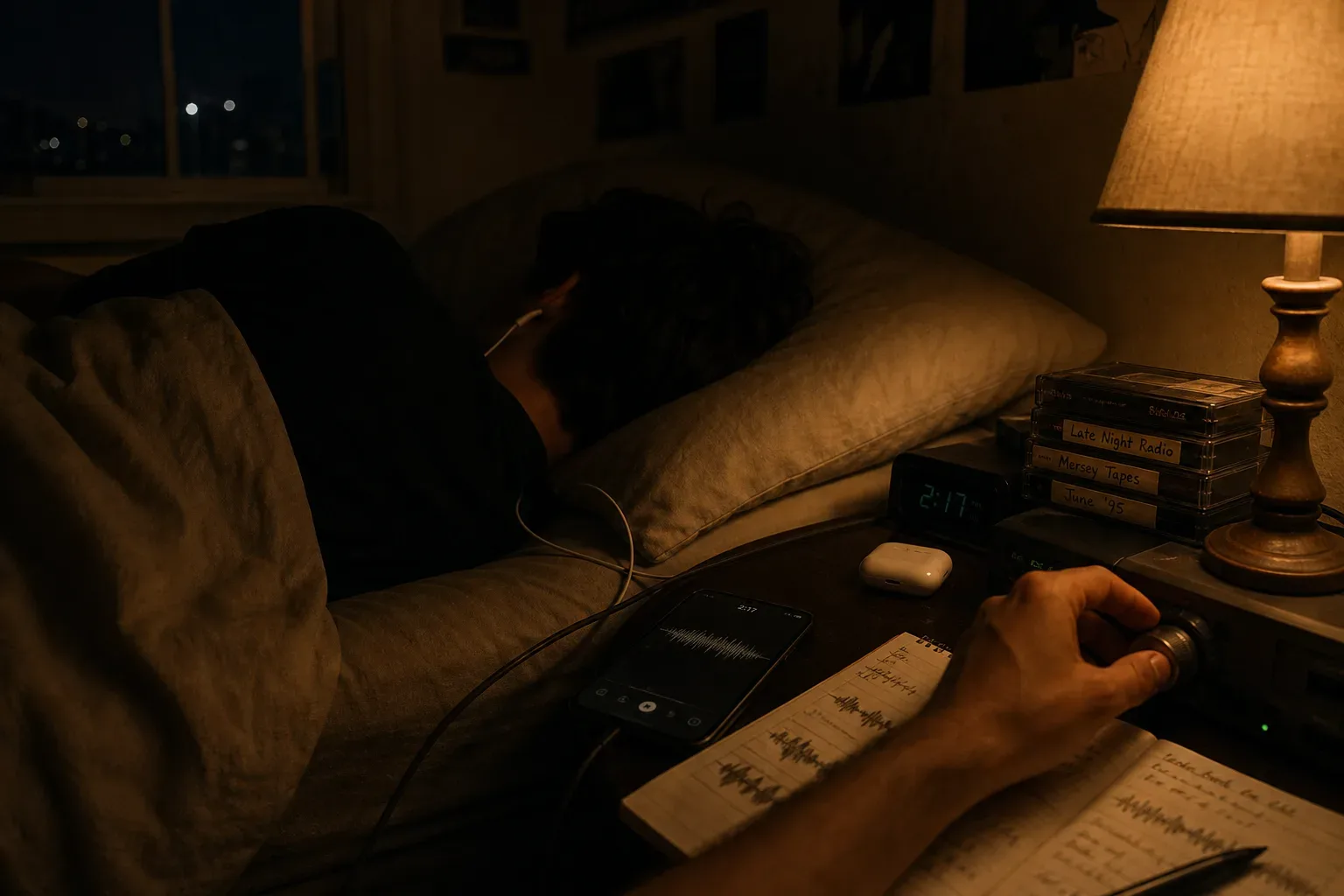
Julia method shifting is a bedtime reality shifting practice built around “I am” statements, counting, stillness, and visualization. A sleep-safe version keeps the method short, audible, low-volume, and optional. The aim isn’t to force a shift. It’s to rehearse a Dream-Self scene without stealing sleep from your body.
What is the Julia Method, and why does it belong near sleep?
The Julia Method is a shifting ritual that uses identity repetition and relaxed attention as you approach sleep.
Most versions begin with lying on your back, staying still, repeating “I am,” counting slowly, and adding details about your desired reality or desired self. The structure varies because the method comes from shifting communities, not from a laboratory manual. That matters. There’s no peer-reviewed “Julia Method protocol” with a fixed dose, but there are familiar ingredients: repetition, imagery, suggestion, and the soft border before sleep.
That border has a name in sleep science: the hypnagogic period. It’s the transition between waking and sleep, when imagery can become vivid and your sense of body position can feel strange. The American Academy of Sleep Medicine still gives the plain rule underneath all of this: most adults need at least 7 hours of sleep per night. If a method makes you chase signs for 90 minutes, it has stopped being a bedtime practice.
The honest case for julia method shifting is modest but useful. Mental imagery is real. Suggestion can shape attention. Repetition can make a thought feel more available. The leap from that to guaranteed reality shifting is a community belief, not established evidence. A ritual can matter without pretending to be a medical fact.
If a method costs you sleep, it costs more than it gives.
Think of the Julia Method as a script for attention. You’re telling the mind what to rehearse in the last 10 to 20 minutes before sleep, not ordering the night to perform. The safer version respects the bed as a place for sleep first and practice second.
How do you prepare a sleep-safe Julia Method setup?
You prepare by setting a time limit, choosing audible words, and making the room easy to sleep in afterward.
Start with the boring parts because they’re the parts that protect you. Put your phone on Do Not Disturb. Set the track so it won’t autoplay for hours. Keep the room cool and dark. The National Sleep Foundation often gives 10 to 20 minutes as a normal sleep-onset window for healthy adults. That’s a good container for this practice.
Use this setup before you press play:
- Choose a 10 to 15 minute audio track.
- Set a stop point before you begin.
- Keep volume around the lowest level where speech is still clear.
- Lie in a position you can actually sleep in.
- Decide that no shift tonight still counts as a completed practice.
That last line is not decoration. Checking for symptoms, floating feelings, tingles, or flashes can keep you alert. Sleep researcher Dr. Andrew Huberman has often pointed people toward 10 to 30 minute downshift practices such as NSDR or yoga nidra for relaxation, but the point is parasympathetic settling, not performance. Once you start grading the night, the nervous system listens.
A simple table helps separate helpful practice from sleep theft:
| Choice | Sleep-safe version | Riskier version |
|---|---|---|
| Length | 8 to 15 minutes | 45 minutes or more |
| Audio | Audible, labeled speech | Hidden layers you can’t verify |
| Volume | Low and comfortable | Loud enough to monitor |
| Goal | Rehearse and release | Force signs to appear |
| Ending | Sleep is allowed | Restart until something happens |
Subliminals sit close to this topic, so be clear about what they are. A subliminal is an affirmation you can’t consciously hear, usually masked by rain, music, brown noise, or frequency tones. You can read more in the Subliminals pillar, but my engineer’s rule is simple: respect the listener’s ear, and label what’s on the tape.
What should your Dream-Self audio say for Julia Method shifting?
Your audio should use calm first-person language that describes identity, safety, and a simple scene without demanding a result.
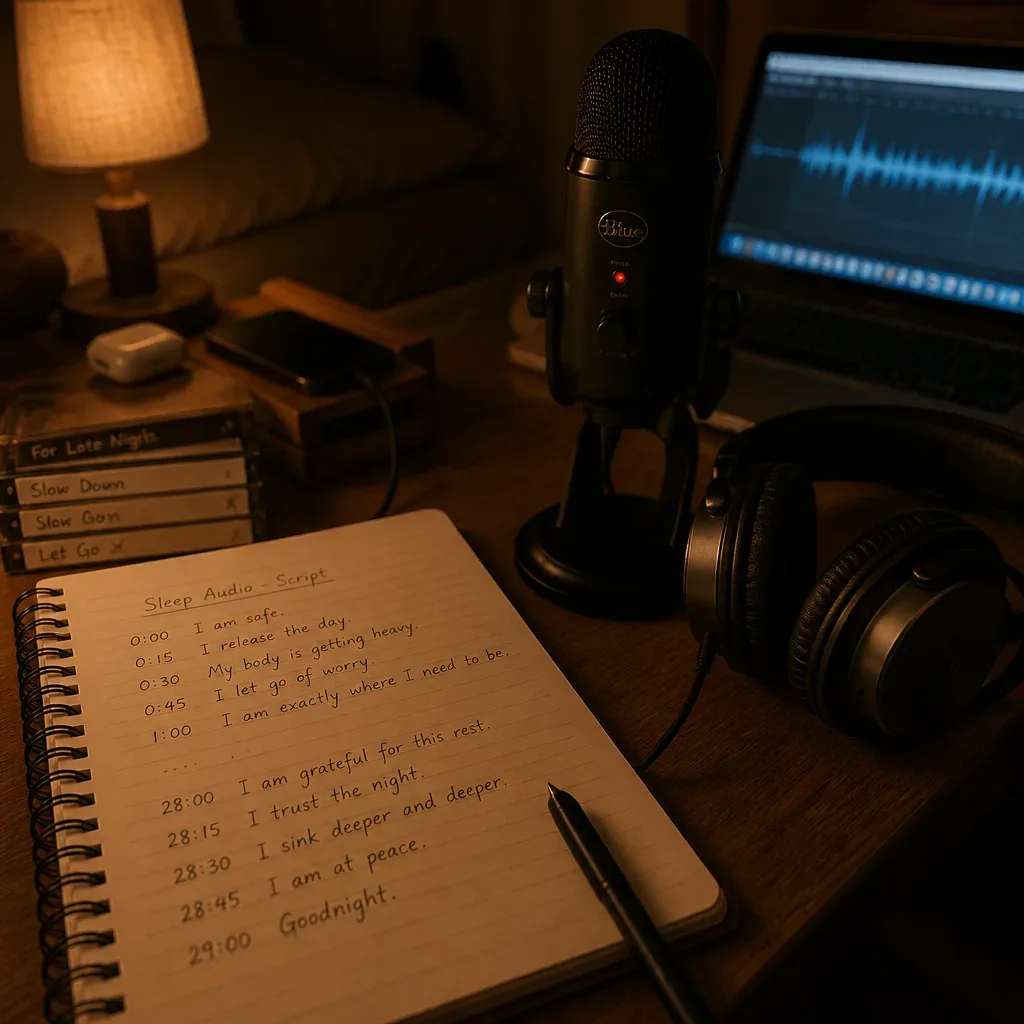
A good Julia-style script doesn’t need 200 affirmations. In audio, density can become noise. I’d rather hear 12 clear lines repeated slowly than 80 lines crushed under a waterfall. Consumer earbuds already vary wildly; many cheap pairs roll off low bass and smear quiet speech under broadband noise. If the words matter, give them room.
Here’s a short structure I’d use at the desk:
- Opening permission: “I’m allowed to rest. I’m allowed to stop trying.”
- Identity line: “I am myself, calm and present.”
- Dream-Self line: “I hear my own voice from the life I’m practicing.”
- Scene detail: “The room is quiet. My body is heavy. The next step is simple.”
- Sleep boundary: “If I sleep, the practice is complete.”
Notice what’s missing. There’s no threat, no “must,” no countdown panic, and no claim that failure means you didn’t believe hard enough. For a bedtime track, pressure is bad production. Pressure raises the noise floor inside the body.
If you want a more personal audio path, The AYA Method is a daily audio manifestation practice. Each day you listen to a short personalized recording — your Dream-Self Moment — narrated from the version of you who has already manifested the life you intend. Listening is the practice. Repetition is the work. The audio is the method.
The AYA Method is not the Julia Method with a new label. Julia Method shifting is usually about entering a desired reality through a sleep-adjacent ritual. AYA is about listening daily to a personal Dream-Self Moment you can hear and return to. The daily affirmation and Manifestation Board can support it, but the audio is the method.
Research on priming and affirmation is mixed, so keep the claim clean. Self-affirmation studies, including work discussed in the Journal of Personality and Social Psychology and later health-behavior research, suggest that values-based statements can reduce defensiveness in some contexts. That doesn’t prove shifting. It does support the quieter idea that repeated words can guide attention.
How do you practice the Julia Method without keeping yourself awake?
You practice once, softly, and then let the method end even if nothing dramatic happens.
Start after you’re already ready for bed. Not before brushing your teeth. Not while checking comments. The light from a phone can delay melatonin timing; controlled studies have found that evening blue-enriched light can shift circadian signals, and many sleep clinics still tell patients to reduce bright screens in the last hour. If you use audio from your phone, start it and turn the screen face down.
Use this 20-minute version:
- Minutes 0 to 2: Settle your body. Loosen your jaw. Let the breath find its own pace.
- Minutes 2 to 6: Repeat “I am” slowly, with 5 to 10 seconds between phrases.
- Minutes 6 to 10: Add one Dream-Self detail: a room, a voice, a name, a morning.
- Minutes 10 to 15: Count down from 50, not as a test, just as a rail for attention.
- Minutes 15 to 20: Stop directing the scene. Let sleep take over.
The most common mistake is monitoring. You hear a sound and ask, “Was that a sign?” Your hand tingles and you ask, “Is it starting?” That question wakes the evaluator. The evaluator is useful in daylight and terrible at bedtime. A watched shift becomes another form of staying awake.
You can pair this practice with the Sleep cycle calculator tool if timing helps you. Sleep cycles average about 90 minutes, though they vary from person to person. If you need to wake at 6:30, don’t begin an elaborate shifting method at 1:10 and call it devotion. Call it sleep debt.
A quiet rule works better than motivation: one play, one pass, then sleep. If you want more spoken-word options that don’t depend on shifting culture, the Sleep affirmations pillar covers audible bedtime phrases with the same basic principle: the last words of the night should lower demand, not raise it.
What should you expect by night one, week two, and month one?
Expect relaxation first, dream recall sometimes, and no guaranteed shift at any point.
On night one, the biggest win may be that you stayed still for 10 minutes and didn’t scroll. That’s not small. Pew Research Center reported in 2024 that large majorities of adults keep smartphones close, and bedtime phone use is common enough that sleep clinicians ask about it routinely. Replacing 15 minutes of feed-checking with a soft track changes the input before sleep.
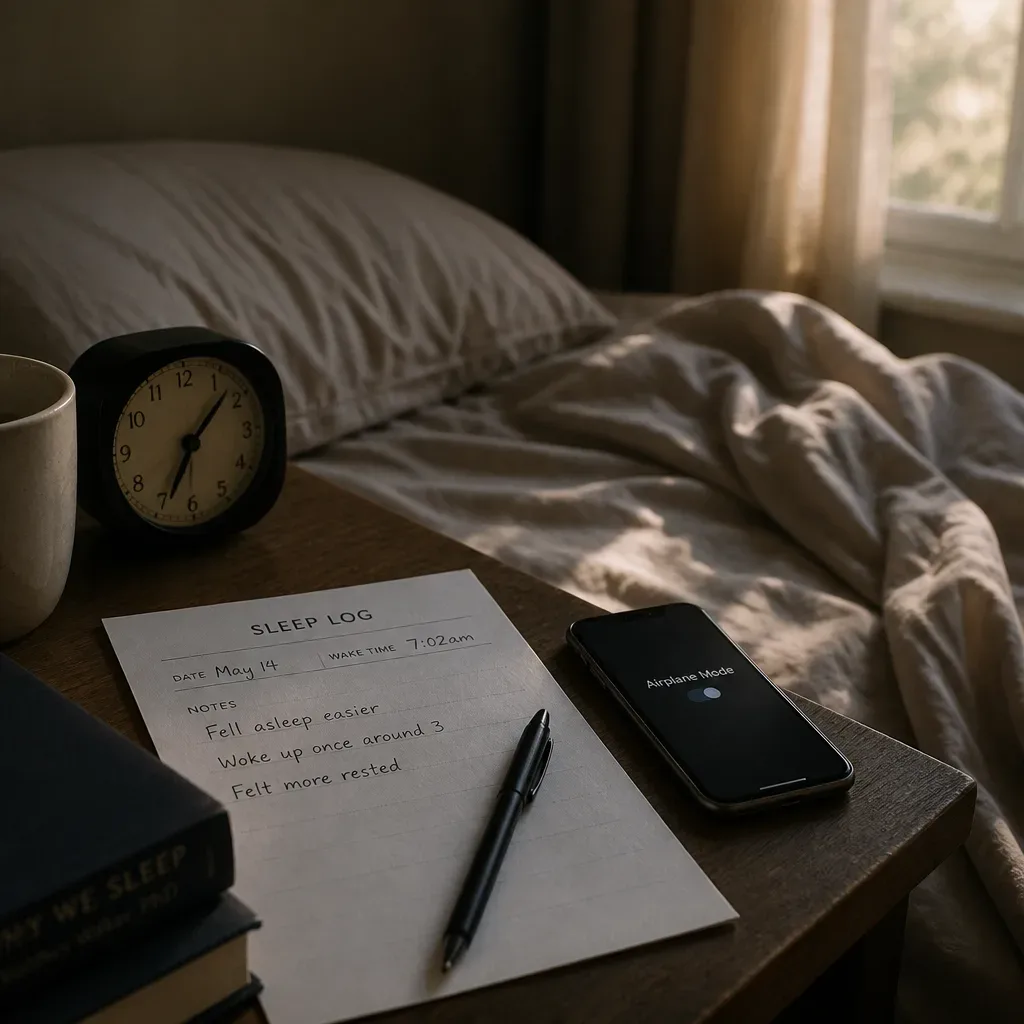
By week two, you may notice patterns. Maybe the “I am” section makes you calmer. Maybe counting keeps you awake. Maybe visualizing a detailed room is too stimulating, while hearing a short Dream-Self line feels easier. Keep notes in the morning, not at 2 a.m. Three words are enough: “calm,” “wired,” “dreams.”
By month one, the question isn’t “Did I shift?” only. Ask better engineering questions:
- Did the track help me fall asleep within my usual window?
- Did I wake less irritated?
- Did I start associating bedtime with a kinder voice?
- Did any part of the script feel false or too intense?
- Did I keep at least 7 hours available for sleep most nights?
The evidence for lucid dreaming gives a useful comparison. Lucid dream induction methods can increase lucid dream frequency in some studies, but results vary and sleep disruption is a known tradeoff when alarms are involved. Julia Method shifting has less formal research than lucid dreaming. That doesn’t make your practice fake. It means you should be more careful with claims.
The night doesn’t owe you proof before it gives you rest.
If you have ongoing insomnia, panic at bedtime, or episodes where reality feels unsafe or unstable, talk with a qualified professional. Sleep hygiene is not a substitute for care. A bedtime audio ritual should make the room feel safer, not harder to leave in the morning.
How do subliminals, sleep hypnosis, and the AYA Method compare here?
They overlap in timing and repetition, but they differ in audibility, control, and what they promise.
Subliminals hide or bury speech. Sleep hypnosis usually uses an audible guiding voice with relaxation cues. Julia Method shifting uses community scripts and identity phrases near sleep. AYA uses a personalized Dream-Self Moment as a daily audio practice. These can look similar in a playlist, but they ask different things of your ear.
Here’s the practical comparison:
| Practice | What you hear | Main use before sleep | Evidence posture |
|---|---|---|---|
| Julia Method shifting | Usually self-talk or guided audio | Reality shifting ritual | Community-led, little direct research |
| Subliminals | Masked or barely audible words | Repeated hidden affirmations | Priming evidence is modest; YouTube claims often outrun it |
| Sleep hypnosis | Audible guided voice | Relaxation and suggestion | Some clinical uses, varies by issue and practitioner |
| AYA Method | Your personalized Dream-Self audio | Daily manifestation listening | Practice-based, clear about audio and repetition |
For subliminals, the engineering question is basic: what’s on the tape? If a producer says there are affirmations under rain, a spectrum analyzer and phase tools can sometimes show speech-like content. Sometimes there’s nothing but rain. Compression on streaming platforms can also damage quiet hidden layers; lossy codecs are not kind to whispers buried 35 decibels under pink noise.
For hypnosis, the ethical question is consent. You should know the theme, the voice, and the suggestions. Reputable clinicians and trained hypnotherapists don’t need mystery to make a session useful. For shifting, the hygiene question is sleep. If the method asks you to restart every time you “fail,” it’s not gentle enough for bed.
The AYA Method sits closer to audible practice than hidden suggestion. You hear every word. The words are personal. You repeat the recording daily, including last thing at night if that suits you. No audio practice should need secrecy to work on you.
How do you make your own Julia Method audio track?
You make it short, labeled, soft, and easy to sleep through after one play.
You don’t need a studio. A phone microphone in a quiet room can make a usable track. Record under a blanket if the room is bright with reflections. Keep your mouth 6 to 10 inches from the mic, speak slower than normal, and leave silence between lines. Most people talk too fast when reading affirmations; bedtime speech needs space.
Use this simple production chain if you edit audio:
- Record at normal speaking level, not a whisper.
- Remove obvious clicks and long mistakes.
- Add gentle noise reduction only if you know it won’t create watery artifacts.
- Use light compression, around 2:1, only to tame peaks.
- Put background sound at least 12 to 18 dB below the voice.
- Export as WAV or high-quality AAC, then test on the earbuds you actually use.
I don’t recommend ultrasonic Julia Method tracks. Adult hearing commonly declines above 15 to 17 kHz with age, and many phone speakers or earbuds don’t reproduce 17,500 Hz cleanly anyway. If someone sells you a shifting file based on frequencies you can’t hear through speakers that can’t play them, ask better questions.
A sample 90-second script:
I’m resting now. I don’t have to force anything. I am here. I am safe in this bed. I am listening to my own voice. The version of me I’m practicing is calm and close. I can picture one simple room. I can hear one simple sentence. If I dream, I dream. If I sleep, the practice is complete.
That script won’t impress a comments section. Good. Bedtime audio is not a spectacle. It’s a small, repeated signal. Make it honest enough that you can fall asleep without guarding yourself against it.
For more grounding around audible bedtime language, keep sleep affirmations nearby. For masked-audio claims, keep subliminals in the same mental folder as “verify before trust.” Your sleeping ear deserves plain labeling.
Keep the volume low, and let sleep stay first.